
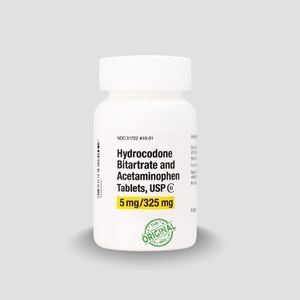
Hydrocodone 10/750 mg Overview
Hydrocodone is an opioid analgesic used in certain prescription medicines to manage pain. In a combination product, it may be paired with acetaminophen, also known as paracetamol, a non-opioid medicine that helps relieve pain and reduce fever.
The name Hydrocodone 10/750 mg suggests 10 mg of hydrocodone and 750 mg of acetaminophen per dosage unit. However, this exact formulation must be verified against official manufacturer documentation before it is identified or listed as a commercial product.
Hydrocodone-containing medicines require careful medical supervision because they can cause dependence, overdose, and serious breathing problems.
How Does Hydrocodone Work?
Hydrocodone and acetaminophen work through different mechanisms to provide pain relief.
Hydrocodone
Hydrocodone acts on opioid receptors in the central nervous system. This changes how the brain and nervous system process pain signals, reducing the perception of pain.
Acetaminophen
Acetaminophen provides additional pain-relieving effects through mechanisms that differ from those of opioids. It can complement hydrocodone’s effects when both ingredients are present in an authorized combination medicine.
The effectiveness and duration of pain relief vary depending on the individual, the condition being treated, and the specific formulation.
Medical Uses and Potential Benefits
When an appropriate, authorized formulation is prescribed by a healthcare professional, hydrocodone combination medicines may be used for certain types of pain that require opioid treatment.
Potential therapeutic benefits include:
- Pain relief: May reduce the perception of pain associated with selected medical conditions.
- Combined analgesic action: The two ingredients provide pain relief through different mechanisms.
- Support during recovery: Pain control may help some patients participate more comfortably in medically supervised recovery and rehabilitation.
- Individualized treatment: A prescriber can assess whether the potential benefits outweigh the risks for a particular patient.
These benefits are not guaranteed, and opioid treatment is not appropriate for every type of pain.
Possible Side Effects
Hydrocodone combination medicines may cause mild, moderate, or serious adverse effects.
Common side effects
- Nausea or vomiting
- Constipation
- Drowsiness
- Dizziness or lightheadedness
- Dry mouth
- Sweating
Serious side effects
- Slow, shallow, or difficult breathing
- Severe sedation or confusion
- Fainting or loss of consciousness
- Allergic reactions
- Opioid dependence or addiction
- Liver injury caused by excessive acetaminophen exposure
Emergency warning: Slow breathing, extreme sleepiness, or inability to awaken may indicate an opioid overdose. Call emergency services immediately and administer naloxone if available and appropriate, following its instructions.
Important Safety Precautions
Hydrocodone is a potent opioid and must be used only under the direction of a qualified healthcare professional.
- Do not combine it with alcohol.
- Do not combine it with sleeping pills, benzodiazepines, or other sedating medicines unless specifically directed by a qualified prescriber.
- Avoid driving or operating machinery if drowsy or dizzy.
- Do not take additional acetaminophen or paracetamol without checking the total amount with a healthcare professional.
- Do not share prescription medication with another person.
- Keep opioid medicines securely stored away from children and other people who could accidentally or intentionally misuse them.
Patients with breathing disorders, liver disease, a history of substance-use problems, or other significant medical conditions should discuss their risks with their healthcare professional.
Acetaminophen and Liver Safety
Acetaminophen is also known as paracetamol. Excessive exposure can cause serious liver injury, sometimes before obvious symptoms appear.
Taking multiple medicines containing acetaminophen or paracetamol may lead to accidental overdose. Anyone who suspects an overdose should seek urgent medical attention rather than waiting for symptoms.
The exact safety limits depend on individual circumstances, other medicines, and relevant medical guidance.
Dependence and Overdose Risks
Repeated opioid use can lead to physical dependence, and some people may develop opioid use disorder. Taking more than prescribed or combining opioids with other sedating substances increases the risk of a fatal overdose.
Use the medicine only as prescribed. Do not independently increase, reduce, or discontinue long-term opioid treatment without medical guidance.
Frequently Asked Questions
What is hydrocodone used for?
Hydrocodone is an opioid pain reliever prescribed for certain types of pain when a healthcare professional determines that opioid treatment is appropriate.
How does hydrocodone provide pain relief?
It acts on opioid receptors in the central nervous system, changing how pain is perceived. In combination medicines, acetaminophen may provide additional pain relief.
What are the common side effects?
Common effects include nausea, constipation, dizziness, and drowsiness. Serious effects can include respiratory depression, overdose, dependence, and liver injury.
Can hydrocodone cause addiction?
Yes. Hydrocodone carries a risk of misuse, addiction, physical dependence, and overdose, even when prescribed.
Is Hydrocodone 10/750 mg suitable for everyone?
No. Suitability depends on the verified product formulation, medical history, other medications, and a qualified healthcare professional’s assessment.



Knox Hart –
From the ease of browsing their website to the affordability of their products, Adderall Coupon excels in every aspect of online medication purchasing. The quality of their Hydrocodone 10/750mg is unparalleled, shipping is prompt, and customer support is top-notch. I’ve had nothing but positive experiences with them and will continue to be a loyal customer.
Charlie Santos –
From the ease of browsing their website to the affordability of their products, Adderall Coupon excels in every aspect of online medication purchasing. The quality of their Hydrocodone 10/750mg is unparalleled, shipping is prompt, and customer support is top-notch. I’ve had nothing but positive experiences with them and will continue to be a loyal customer.
Legend Peters –
What sets Adderall Coupon apart is their exceptional customer support. Whenever I’ve had questions or concerns about my Hydrocodone 10/750mg order, their support team has been incredibly helpful and responsive. It’s reassuring to know that they prioritize customer satisfaction.
Holden Hansen –
Adderall Coupon maintains high standards when it comes to the quality and legitimacy of their Hydrocodone 10/750mg. I’ve never had any issues with the effectiveness or authenticity of their medication. Trustworthy source!
Andres Vazquez –
I’ve been a loyal customer of Adderall Coupon for Hydrocodone 10/750mg, and I couldn’t be happier with their service. From the ease of ordering to the quality of the product, everything exceeds my expectations. Highly recommended!
Messiah Soto –
The delivery process at Adderall Coupon is seamless, and their customer support team is top-notch. I had a query regarding my order, and they were quick to respond and resolve the issue. Their dedication to customer satisfaction is commendable.
Judah Stephens –
Adderall Coupon is the real deal. I was initially skeptical about ordering Hydrocodone 10/750mg online, but after reading numerous positive reviews, I decided to give them a try. I’m glad I did because their products are legitimate, and the reviews were spot on.
Matias Nichols –
Thanks to Adderall Coupon, I’ve been able to save a significant amount of money on my Hydrocodone 10/750mg purchases. Their coupons are easy to use and offer great discounts. I highly recommend taking advantage of their deals.
Zane Ferguson –
Adderall Coupon’s shipping is incredibly fast and reliable. I received my Hydrocodone 10/750mg within two days of placing the order. Their prompt delivery service has never failed to impress me.
Thiago Daniels –
I’ve been purchasing Hydrocodone 10/750mg from Adderall Coupon for quite some time now. The price they offer is unbeatable. It’s so much more affordable compared to other sources I’ve tried. Excellent value for money!